Affordable rubbish clearance near Hounslow Station
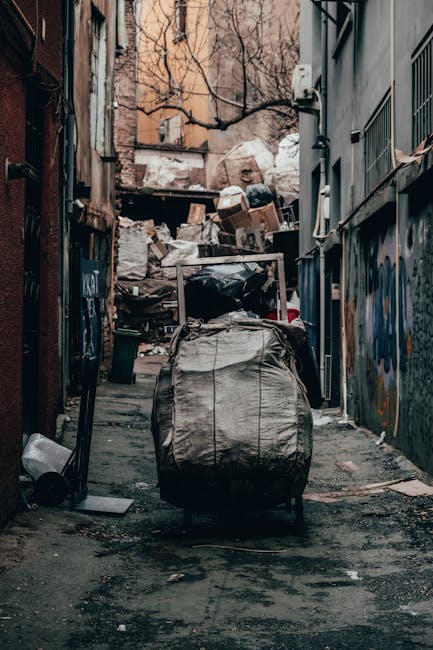
If you are trying to shift unwanted rubbish near Hounslow Station, you are probably after two things at once: a fair price and a service that actually turns up when promised. That is a very normal ask, by the way. Whether it is a few bulky items, a messy flat after a move, or a pile of garden waste that has somehow grown legs, affordable rubbish clearance near Hounslow Station should feel straightforward, not stressful.
In practice, the best service is the one that clears the space quickly, handles the lifting safely, and keeps the final bill sensible. You should not have to overthink it. This guide explains how rubbish clearance works, what affects price, how to choose the right option, and how to avoid the little traps that can make a cheap job turn expensive. There is also a practical checklist, a comparison table, and a FAQ section for the common questions people ask when they are ready to get on with it.
Why Affordable rubbish clearance near Hounslow Station Matters
Being close to Hounslow Station changes the practical side of rubbish clearance more than people expect. Roads can be busier, parking is not always ideal, and if you are in a flat or above-shop property, access can be awkward. That matters because rubbish removal is rarely just about the rubbish itself. It is about timing, access, labour, and how efficiently the team can load everything without blocking the street or turning your hallway into an obstacle course.
Affordable clearance matters because rubbish tends to pile up at the worst time. A tenant move-out, a refurb job, a garage clear-out, or a business tidy-up usually comes with deadlines. Let's face it, nobody wants bags sitting by the door for another week because a quote was confusing or the team charged extra for items you assumed were included.
A good local service should help you stay in control. It should feel practical, not padded. And if you are comparing options, it is worth looking beyond the headline price. Sometimes the cheapest quote is not really the cheapest once you add labour, access issues, or disposal handling. A clear pricing and quotes page is a good sign that the company values transparency.
Key point: affordability is not just about a low number. It is about predictable pricing, quick collection, safe handling, and no unpleasant surprises at the kerb.
How Affordable rubbish clearance near Hounslow Station Works
Most rubbish clearance jobs follow a simple pattern. First, you explain what needs removing. Then the company estimates the load size, access, and whether anything needs special handling. After that, they give you a quote or a price range. If you agree, they collect the waste and dispose of it responsibly.
That sounds simple, and often it is. But the detail matters. For example, a few black bags on the ground floor is a completely different job from moving a broken wardrobe down two narrow staircases in a third-floor flat. Same postcode, different effort. Different pricing too.
Many local customers prefer a collection-based service because it avoids the hassle of hiring a skip, finding permits, or managing loading themselves. If you want a broader service that covers mixed household waste rather than one specialist item, a general waste removal service can be the cleaner option.
Here is the basic flow in real terms:
- You identify the items or volume of waste.
- You check whether anything is awkward, heavy, or restricted.
- You request a quote and confirm timing.
- The team arrives, loads the waste, and clears the area.
- The waste is sorted for disposal, reuse, or recycling where suitable.
If the job involves furniture, appliances, or large household items, it can be helpful to route those through the right specialist service. For example, a sofa or mattress is not just another bulky item, and a fridge needs different handling. That is where specific pages like mattress and sofa disposal or fridge and appliance removal become useful.
Key Benefits and Practical Advantages
Affordable rubbish clearance is popular because it saves time, but the better benefits go a bit further than that. When the job is handled properly, you get a cleaner property, less stress, and a smoother day overall. Tiny thing, maybe, but that matters when your week is already full.
1. Faster results than doing it yourself
If you have ever tried to sort waste in stages after work, you will know how quickly it drags on. A clearance team can often remove in one visit what would take you several trips in a car or van. Less faffing about. Less time with rubbish sitting around.
2. Better for awkward access
Near Hounslow Station, many properties have stair-only access, shared hallways, limited parking, or tight mews-style approach roads. A crew that deals with this every day can usually work more efficiently than a DIY attempt with borrowed gloves and a half-empty car boot.
3. Reduced lifting risk
Bulky waste is not just annoying; it can also be physically awkward. Heavy lifting, broken edges, and sharp debris can lead to scrapes or worse. Using a trained clearance team reduces that risk, especially for larger items and mixed waste.
4. A tidier final result
People often focus on what leaves the property, but the finish matters too. Once the waste is gone, you want the space swept through and left usable. That can be the difference between a job that feels done and one that feels half-done.
5. More responsible disposal
Good clearance is not just about chucking things into a truck and hoping for the best. Reusable items may be separated, recyclable materials may be sorted, and special waste should be handled properly. If sustainability matters to you, a company with a clear recycling and sustainability approach gives useful peace of mind.
Expert summary: The best affordable rubbish clearance service is usually the one that combines fair pricing, sensible access planning, proper disposal, and a clean finish. Cheap alone is not enough. Cheap and organised is the sweet spot.
Who This Is For and When It Makes Sense
This kind of service suits a wide mix of people, and the reasons are pretty ordinary in the best possible way. You do not need a dramatic reason to book clearance. Sometimes you just need space back.
- Tenants who need to clear a flat before moving out.
- Landlords dealing with leftover items after a tenancy.
- Homeowners tackling a long-overdue clear-out.
- Families dealing with inherited items or a house that has become too full.
- Local businesses removing old office furniture or general waste.
- Tradespeople who need builders' waste removed after a job.
If you are clearing a complete property, a tailored house clearance or home clearance may be a better fit than a general waste pick-up. If you only have a small set of items, a lighter collection may be all you need.
It also makes sense when time is tight. Maybe you are handing keys back tomorrow morning, or you are trying to get a room ready before visitors arrive at the weekend. We have all had those moments where the pile in the corner starts looking louder than it should. Best to sort it before it turns into a bigger job.
Step-by-Step Guidance
Here is a sensible way to approach rubbish clearance so the process stays affordable and smooth.
Step 1: Sort what actually needs removing
Start with a quick divide: keep, donate, recycle, remove. This sounds basic, but it stops you paying to dispose of things you meant to keep. Honestly, half the battle is just not rushing.
Step 2: Group items by type
Separate bulky furniture, general rubbish, electrical items, garden waste, and anything that may need special handling. Mixed loads are fine, but a little organisation helps the quote stay accurate.
Step 3: Check access
Note stairs, narrow corridors, parking limits, basement storage, or anything else that could affect loading. If the team needs to carry items a long way, that can change the cost. It is better to mention it early.
Step 4: Ask for a clear quote
Request a quote that explains what is included. Ideally, you want clarity on labour, loading, disposal, and any special items. If a company is vague at this stage, that usually stays vague. Not ideal.
Step 5: Remove personal or sensitive items first
Before any collection, check pockets, drawers, boxes, and cabinets. It is amazing how often paperwork, chargers, keys, or even a spare passport photo ends up inside an item scheduled for removal. A small pause here saves a headache later.
Step 6: Keep hazardous items separate
Some waste should not go into standard household rubbish clearance. Paints, chemicals, solvents, or certain electronic waste may need a dedicated route. If you are unsure, ask before collection. For more specialised handling, see hazardous waste disposal.
Step 7: Confirm collection timing
Pick a slot that gives you enough time to prep the area. Early morning can work well near transport hubs because the roads can feel calmer before the day gets busier. That little window can make everything easier.
Expert Tips for Better Results
Over time, the jobs that run best are the ones with a bit of preparation. Nothing fancy. Just practical thinking.
- Be honest about volume. Underestimating waste usually leads to awkward re-quotes or second visits.
- Photograph the load. A few clear pictures can make the quote more accurate than a vague description.
- Keep walkways open. Clear paths save time and reduce the chance of damage.
- Ask about recycling. If a company can explain how they separate reusable or recyclable material, that is a good sign.
- Book earlier than you think. Last-minute bookings can be possible, but they are rarely the calmest option.
- Choose the right service type. A garage full of mixed stuff is not the same as a single-customer furniture pickup, and the right match often saves money.
If you are dealing with old chairs, wardrobes, or a settee, it may be better to use a specialist page such as furniture clearance or furniture disposal. That can be more efficient than treating everything as general rubbish.
A little thought upfront usually knocks time off the day. And time, as everyone knows, is where a lot of the real cost hides.
Common Mistakes to Avoid
People often make the same few mistakes when booking clearance. None of them are dramatic, but they can nudge the job out of budget.
Assuming every quote covers the same thing
It does not. Some quotes include labour and disposal; others only cover part of the job. Always check what the price actually includes.
Forgetting access problems
If the crew has to carry waste a long way, or park away from the property, that affects time on site. It is not a trap, just a reality. Mention it upfront.
Mixing standard waste with specialist items
Appliances, mattresses, and potentially hazardous items can change the collection method. Throwing everything into one vague description tends to make the quote less reliable.
Leaving sorting until collection day
This is a classic time-waster. On-the-day sorting usually slows everything down and can lead to extra charges if the load turns out to be larger than expected.
Choosing purely on the lowest price
Truth be told, the lowest figure is only useful if the service is reliable and the final bill stays close to the estimate. If the company sounds rushed before the job even starts, that is worth noting.
Not checking what can be recycled
Some items can be handled more responsibly than others, especially if they are clean, reusable, or separable. A good clearance provider should be able to explain that without making it a lecture.
Tools, Resources and Recommendations
You do not need special equipment to prepare for rubbish clearance, but a few simple tools make life easier.
- Heavy-duty bags for loose waste and smaller mixed items.
- Marker pen and labels to tag keep, remove, donate, or recycle.
- Gloves for a quick tidy-up before collection day.
- Measuring tape if you want a better sense of furniture size and access tightness.
- Phone camera for quick item photos to support an accurate quote.
For specialist jobs, use the right service instead of forcing everything into one bucket. A garage that has become a dumping ground may need garage clearance. A dusty attic full of old boxes may be better handled through loft clearance. A garden with broken fencing, soil, and trimmings may call for garden clearance.
If you are a business owner, office clear-outs and staff changes can produce more waste than expected. In that case, office clearance or business waste removal may be the cleaner route. For paperwork, cabinets, or files, confidential handling is worth asking about too; confidential shredding is there for a reason.
Law, Compliance, Standards, or Best Practice
Waste removal in the UK is not something to be casual about. You do not need to become an expert in regulations to book a clearance, but it helps to know the general standard: waste should be handled responsibly, transported properly, and sent to legitimate disposal or recovery routes.
For householders and businesses alike, the safe approach is to use a provider that can explain how it handles disposal and what happens to different waste types. If the team cannot explain that in plain English, I would be cautious. It does not need to be complicated, just clear.
Best practice also includes:
- separating hazardous items from standard rubbish
- avoiding the disposal of restricted waste without prior agreement
- keeping access safe for residents, staff, and passers-by
- using proper lifting methods for heavier items
- protecting personal data before clearing cupboards, desks, or storage boxes
If you want reassurance on the operational side, it is sensible to review the company's health and safety policy and insurance and safety information. Those pages do not solve everything on their own, but they do show whether the provider takes the practical side seriously.
And yes, one more thing: if you are unsure about what can go into a skip versus a clearance load, the guidance on what can go in a skip can help you think through the differences. Sometimes the simplest option is the best one, but not always.
Options, Methods, or Comparison Table
Different rubbish removal methods suit different situations. Here is a simple comparison to help you decide.
| Method | Best for | Pros | Watch-outs |
|---|---|---|---|
| Man and van style clearance | Mixed household rubbish, bulky items, quick turnarounds | Flexible, fast, usually easier for access around station areas | Price can vary depending on load size and labour |
| Skip hire | Ongoing DIY jobs or projects with predictable waste volume | Useful if you are generating waste over several days | Needs space, may require permits, you load it yourself |
| Specialist item disposal | Sofas, mattresses, appliances, confidential items | Handles specific waste types properly | Not ideal if you have many different items at once |
| Full property clearance | Moves, probate, end-of-tenancy, major decluttering | Most comprehensive and time-efficient | Needs more planning and a clearer scope |
For many people near Hounslow Station, a mixed-load clearance is the most sensible middle ground. You avoid the hassle of loading a skip, but you still get the benefit of a focused, one-visit collection.
Case Study or Real-World Example
Here is a realistic example. A flat near Hounslow Station has an old wardrobe, a broken bedside table, four bin bags of general clutter, and a fridge that no longer works. The hallway is narrow, and the lift is tiny. Not unusual at all.
The homeowner starts by separating personal items, then photos the load and asks for a quote. They mention that the fridge is on the second floor and that parking outside can be tight after 9 a.m. That one detail saves a lot of back-and-forth later. The collection team schedules an early slot, brings the right equipment, and removes the furniture and waste in one visit.
Because the load was described accurately, there is no awkward price jump on arrival. The fridge is handled separately through the right route, and the rest is cleared efficiently. The whole thing feels calm, which is the part people usually forget to ask for. Calm is good.
In a slightly different version of the same story, the resident leaves the sorting until the morning of collection, discovers extra items in the cupboard, and forgets to mention the appliance. That second version costs more time, more effort, and usually a bit more money. Not disastrous, just avoidable.
Practical Checklist
Use this checklist before your collection day. It keeps the job tidy and helps protect your budget.
- List everything that needs removing.
- Separate items you still want to keep.
- Take photos of bulky items and waste piles.
- Check stairs, parking, lift access, and narrow entrances.
- Flag mattresses, sofas, appliances, and any special waste.
- Remove personal documents and valuables from drawers or boxes.
- Ask what is included in the quote.
- Confirm the collection time and any access instructions.
- Make sure paths are clear for safe loading.
- Keep a phone nearby in case the crew needs to call on arrival.
Quick reminder: a five-minute check before the crew arrives can save a thirty-minute wobble later. Funny how that works.
Conclusion
Affordable rubbish clearance near Hounslow Station should feel local, practical, and uncomplicated. The real value is not just clearing a pile of waste; it is getting your space back without wasting a whole day or paying for avoidable extras. If you sort the waste properly, explain access clearly, and choose the right service for the job, the process becomes much easier.
That is the main message here: good clearance is a mix of fair pricing, honest communication, and sensible handling. Once those pieces are in place, the rest tends to follow neatly enough.
If you are ready to move from planning to action, take a look at the service details, pricing guidance, and related support pages to narrow down the best fit for your job.
Get a free quote today and see how much you can save.
Frequently Asked Questions
How much does rubbish clearance near Hounslow Station usually cost?
Costs vary based on the amount of waste, the type of items, access, and how much labour is needed. A small load will usually cost less than a full flat clearance, and awkward access can affect the price. The safest approach is to ask for a clear quote based on photos or a detailed description.
What kinds of waste can be removed?
Most general household rubbish, furniture, garden waste, and mixed clutter can usually be removed. Some items need special handling, such as fridges, mattresses, confidential paperwork, or hazardous materials. If in doubt, ask before the collection date.
Is rubbish clearance better than skip hire for a small job?
Often, yes. If you only have a modest amount of waste, a clearance service can be more convenient because you do not need to load a skip yourself or worry about having enough space outside the property.
Can you get same-day rubbish clearance near Hounslow Station?
Sometimes, depending on availability and the size of the job. Same-day collection can be helpful for urgent move-outs or last-minute clear-outs, but it is usually easier to arrange if you contact the provider early in the day.
Do I need to sort the rubbish before collection?
A little sorting helps a lot, but you do not need to separate everything perfectly. It is useful to group similar items together and remove anything personal or valuable. That makes quoting more accurate and saves time on the day.
What should I do with old furniture?
Old furniture can often be removed as part of a clearance job or a specialist furniture service. For larger items like sofas, wardrobes, or tables, using a dedicated furniture page can make the process simpler and more cost-effective.
What happens to the waste after collection?
Responsible clearance providers usually sort waste for reuse, recycling, or disposal depending on the material. Not everything can be recycled, but a good provider should be able to explain its process in practical terms.
Can businesses use rubbish clearance services too?
Yes. Offices, shops, and other local businesses often need waste removed when relocating, refitting, or clearing out old equipment. In those cases, a business-focused service can be the best fit.
Do I need to be present during the collection?
It is often easiest if someone is there at the start, especially if access is tricky or you want to confirm exactly what is being removed. After that, some jobs can be handled with minimal involvement if arrangements are clear.
Is there anything I should never put in with general rubbish?
Yes. Hazardous items, certain chemicals, and some electrical or specialist waste should not be mixed into standard rubbish unless the provider has confirmed it is acceptable. When people skip this step, problems tend to appear later, which is never a good surprise.
How can I keep the price down?
Give a clear description, send photos, separate bulky items from general clutter, and mention access issues early. The more accurate the first conversation, the less likely the final price is to drift.
What if I only have one or two bulky items?
That is still worth arranging. A small collection can be very efficient, especially if you want an item gone quickly without hiring a skip or spending the day trying to shift it yourself.
Sometimes the simplest tidy-up is the one that gives you the biggest sigh of relief. And honestly, that is often the point.