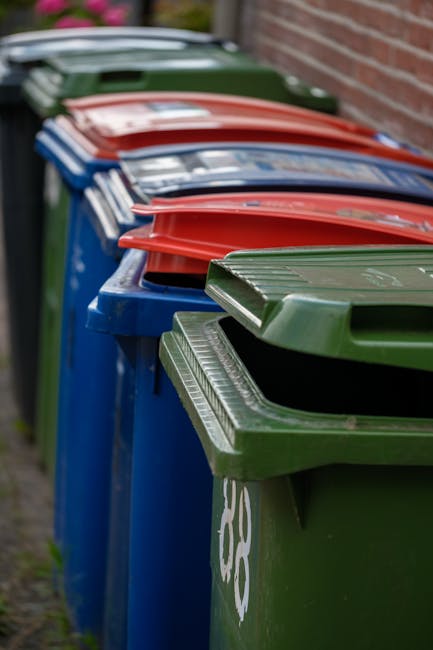
Emergency rubbish collection Hounslow what to expect
If you need waste gone fast, the main question is usually not just can it be collected today? It's what the whole process will actually feel like. Emergency rubbish collection Hounslow what to expect is a practical question, because when rubbish piles up suddenly - after a move, a landlord issue, a burst pipe, a garden job gone wrong, or a last-minute office clear-out - you need clarity more than sales talk.
In real life, emergency collection is usually about speed, access, and sensible sorting. You want someone who can turn up, assess the load quickly, remove it safely, and leave the place usable again without turning a stressful day into a bigger mess. This guide walks through the process in plain English, with the kind of detail that helps you make a calm decision, even if the situation feels a bit chaotic right now.
For readers comparing options, it can also help to understand related services such as general waste removal, house clearance, or office clearance. Different jobs need different handling, and that matters more than people sometimes think.
Table of Contents
- Why emergency rubbish collection matters
- How emergency rubbish collection works
- Key benefits and practical advantages
- Who this is for and when it makes sense
- Step-by-step guidance
- Expert tips for better results
- Common mistakes to avoid
- Tools, resources and recommendations
- Law, compliance and best practice
- Options, methods and comparison table
- Case study or real-world example
- Practical checklist
- Conclusion
- Frequently asked questions
Why emergency rubbish collection matters
When rubbish becomes urgent, it stops being a minor inconvenience and starts affecting day-to-day life. A blocked hallway, piled-up packaging, broken furniture, builder's debris, or wet waste can get in the way of normal routines very quickly. It can create odours, pest concerns, trip hazards, and a general feeling that the space is no longer under control. Not ideal, to put it mildly.
In Hounslow, urgency often comes from ordinary life events rather than dramatic ones. A tenancy end date is looming. A shop needs to reopen. A loft was finally opened and there's a mountain of old clutter. Or maybe the builders have left a bigger mess than expected and you need it gone before the next stage of work. In those moments, speed matters, but so does judgment.
The best emergency collections are not just fast. They are organised. They make space for access, protect walls and floors where needed, and separate recyclable material from items that need special handling. That is where a good service earns its keep. You are paying for pace, yes, but also for a tidy, safe outcome.
There is another reason this matters. Delaying disposal can make the job more expensive or more awkward later. A single sofa left in the wrong place can block a whole flat move. A damp pile of waste in a garden can become heavier, smellier, and less pleasant to move by the hour. Time really does change the job.
How emergency rubbish collection works
Most emergency rubbish collections follow a straightforward pattern, although the exact timing depends on access, load size, and the type of waste. The process usually starts with a quick description of what needs removing. If you can, be specific: roughly how much rubbish there is, whether it is bagged or loose, whether there are stairs, and whether anything is fragile, sharp, heavy, or restricted.
From there, the provider will usually confirm whether the collection can be done quickly, often the same day if capacity allows. In some cases, they may ask for photos. That is not fussiness. It helps them estimate the space needed, the number of staff required, and whether the item mix needs special handling. Honestly, it saves everyone a headache.
On arrival, the team typically does a brief on-site assessment. They check what is being taken, confirm access, and make sure the route out is clear. If the waste is mixed, they may sort items while loading so that reusable or recyclable material is handled appropriately. For example, broken flat-pack furniture, old bags of clothes, and small DIY offcuts may be separated from electrical items or anything that could be hazardous.
If your emergency clearance includes bulky items, you may also want to review related services such as furniture disposal or mattress and sofa disposal. For appliance-heavy jobs, fridge and appliance removal is often the more suitable route.
Once the collection is complete, a proper service should leave the area swept or at least cleared of the obvious mess from the removal itself. You should also receive a final confirmation of what was taken and any relevant terms of service or paperwork, especially if the job involved business waste or sensitive material.
Key benefits and practical advantages
The biggest benefit is obvious: fast relief. But there are several practical advantages that are easy to overlook when you are stressed and just want the rubbish gone.
- Time saved: No multiple trips to a disposal site, no hiring a vehicle, no juggling loading and parking.
- Less physical strain: Heavy lifting, awkward furniture, and awkward stairwells can be handled by a team rather than by you and a borrowed pair of gloves.
- Safer environment: Clearing trip hazards, broken items, and sharp debris quickly reduces the chance of injury.
- Better presentation: This matters if you are handing back a tenancy, showing a property, opening a shop, or preparing for tradespeople.
- More flexible handling: Emergency teams can often adapt to mixed waste, awkward access, or partial clearances.
There's also a peace-of-mind benefit that people underestimate. A cluttered room can quietly drain attention all day. Once the waste is gone, the space feels different. Lighter, quieter, less sticky somehow. That's not a technical term, of course, but you know what I mean.
When the job is more specialist, it helps to work with a service that understands different waste streams. For example, building debris is not the same as general household junk, and materials from a work site often need a different approach. If that sounds familiar, builders waste clearance may be more relevant than a standard domestic pickup.
Who this is for and when it makes sense
Emergency rubbish collection is useful for a wide mix of people, and the situations are often more ordinary than you'd expect.
- Homeowners dealing with an unexpected pile-up after decorating, a move, or a last-minute clean-up.
- Tenants and landlords trying to meet a deadline between occupancies.
- Letting agents managing a flat that needs to be reset quickly.
- Businesses that need stock, packaging, office clutter, or fixtures removed before opening or inspection.
- Builders and tradespeople who need a site made safe and workable again.
- Older residents or families who need help clearing a garage, loft, or home without doing the heavy lifting themselves.
It also makes sense if the waste is creating a practical blockage. Maybe the hallway is unusable. Maybe a garden is full of cuttings, sacks, and old fencing after a weekend project. Maybe the loft was opened for one job and suddenly looks like a whole chapter of your life has been stored up there. Happens all the time.
For a domestic reset, services such as home clearance, garage clearance, and loft clearance can be a better fit than trying to describe the problem as just "rubbish." Specificity helps the quote and the outcome.
Step-by-step guidance
If you want the process to feel easier, it helps to think through the job in order. Here's the practical version.
- Identify what needs removing. Separate general waste from items that might need special handling, such as electricals, appliances, or anything sharp or hazardous.
- Check access. Stairs, narrow hallways, parking restrictions, and lift access all affect how fast the job can be done.
- Take a few photos. A couple of clear images usually help far more than a long description. In emergencies, that small step can speed things up a lot.
- Ask for a clear price explanation. Make sure you understand what is included: labour, loading, disposal, special items, and any minimum charges.
- Prepare the area. Move valuables, pets, and anything you want to keep out of the path. If the waste is in a shared building, let neighbours know if access may be affected.
- Be ready for the team's arrival. Emergency collections are usually time-sensitive, so the job moves faster if someone can answer questions on-site.
- Confirm the final load. Before the team leaves, do a quick walk-through so nothing important gets taken by mistake. It sounds obvious, but in a rush, obvious things get missed.
If confidential papers are mixed into the pile, do not just toss them in with general waste. Separate them first and consider confidential shredding. It is one of those small decisions that saves a lot of regret later.
Expert tips for better results
After a lot of clearances, a few patterns become obvious. The smoother jobs are usually the ones where the customer has given just enough detail, not too much, and not too little.
Tip 1: Describe the waste by type, not just by emotion. "A huge mess" is understandable, but "six bags, one wardrobe, broken shelving, and some cardboard" is much more useful. It helps with vehicle space and time planning.
Tip 2: Flag heavy or awkward items early. A full freezer in a top-floor flat, a soaked mattress, or rubble in a tight garden access path is a different job from a few bin bags. If there's a heavy fridge in the mix, mention it from the start.
Tip 3: Keep a small keep pile away from the waste. In a rush, things can blur together. A "keep" box or a taped-off corner does wonders. A bit old-school, but it works.
Tip 4: Ask how the waste will be handled after collection. Reuse, recycling, transfer, and disposal are not all the same. A good service should be able to explain its approach clearly. If sustainability matters to you, review recycling and sustainability before you book.
Tip 5: Do not forget the weather. If it is raining, wet waste gets heavier and more awkward. If it is very cold or windy, outdoor access can be more difficult. London weather loves a dramatic entrance, doesn't it?
Tip 6: Keep the route out clear. Hallways, steps, gates, and parking spots matter. A minute spent clearing the path can save ten minutes of awkward shuffling.
Common mistakes to avoid
Emergency jobs go wrong when people assume the service can read minds. Sadly, no one can. Not even the very experienced teams.
- Under-describing the waste: This is the biggest one. A bag of "general rubbish" might hide glass, liquids, or heavier items.
- Leaving access problems until arrival: A vehicle may not fit where you hoped, or the team may need parking clearance.
- Mixing restricted items with ordinary waste: Some materials need separate handling, especially anything hazardous, oily, sharp, or chemically risky.
- Not checking what is actually included: Emergency doesn't automatically mean everything is covered at one fixed price.
- Rushing the keep-or-take decision: A five-second mistake can mean losing something useful. Take a breath.
Another common issue is treating every kind of waste the same. Garden debris, household junk, office files, and renovation waste often need different handling. If the job crosses categories, it is worth looking at a more precise service such as garden clearance or office clearance.
One more thing: don't leave hazardous material hidden in a pile and hope for the best. If you suspect something is risky, say so plainly. That protects everyone.
Tools, resources and recommendations
You do not need a toolkit the size of a builder's van, but a few simple items can make the process easier.
- Heavy-duty bin bags: Useful for loose waste and soft materials.
- Marker pen and tape: Handy for labelling keep items, especially in shared homes or offices.
- Gloves: Basic but important, particularly around broken items or dusty storage areas.
- Phone camera: Photos help with quotes and reduce surprises.
- Box or crate for valuables: Keeps documents, keys, chargers, and small items together.
For bigger jobs, it can help to compare emergency collection with a scheduled clearance or with skip-related options. If you are weighing up what can go where, what can go in a skip is a useful reference point, even if you decide a collection service is the better fit.
For pricing transparency, look for a provider that explains its quote process clearly. A reliable starting point is pricing and quotes, especially if you want to understand what affects the final figure before booking.
If the work is happening at a business premises, it is also sensible to review business waste removal. Commercial waste often has different expectations around access, timing, and record-keeping.
Law, compliance and best practice
Emergency rubbish collection still needs to be handled responsibly. That means the provider should operate with suitable care around waste handling, safety, and disposal. In the UK, that generally includes taking reasonable steps to ensure waste is transferred and handled properly, especially where items could be recyclable, reusable, or potentially hazardous.
You do not need to become a compliance expert to book a collection, but you should expect clear answers on a few basic points:
- How mixed waste is sorted or separated.
- How hazardous or restricted items are identified.
- Whether staff are trained to remove heavy items safely.
- How floors, communal areas, and access routes are protected where needed.
- Whether payments, terms, and service conditions are clear in advance.
For peace of mind, it is sensible to look at the provider's own policies on health and safety, insurance and safety, and payment and security. These pages are not just formalities. They tell you how seriously the company takes the boring-but-important stuff, which is often exactly what matters on a messy day.
If the rubbish includes anything sensitive, dangerous, or unusual, do not assume it can simply be added to a standard load. Ask first. Best practice is usually about preventing problems before they start. A bit of caution goes a long way.
Options, methods and comparison table
There is more than one way to deal with urgent rubbish, and the right choice depends on time, access, waste type, and how much lifting you want to do yourself.
| Option | Best for | Pros | Trade-offs |
|---|---|---|---|
| Emergency rubbish collection | Fast removal of mixed household or business waste | Quick, convenient, labour included | May cost more than non-urgent booking |
| Scheduled waste removal | Jobs with some flexibility | More time to prepare, often simpler planning | Not suitable if the waste needs to go today |
| Specialist item clearance | Single bulky items, appliances, mattresses, sofas | Good for awkward or heavy items | Less useful for mixed loads |
| Skip-style approach | Projects where waste will accumulate over time | Useful for ongoing DIY or building work | Requires space and self-loading |
For many Hounslow households, the deciding factor is not just cost. It is energy. Do you really want to drag a sofa down stairs, then still sort out the rest of the mess? Or would it be easier to let a team do the heavy work and just get on with your day? There's the real question.
Case study or real-world example
Picture a flat in Hounslow on a wet Thursday afternoon. The tenant has moved out, the letting agent has an inspection booked for the next morning, and there is a mix of bagged rubbish, an old mattress, a damaged wardrobe, and a few boxes of forgotten bits in the hallway. Nothing outrageous. Just enough to derail the schedule.
The fastest way to fix that kind of situation is to identify what is there, send a few clear photos, and ask for an emergency collection window. The team arrives, confirms the load, checks access, and removes the waste in one visit. The hallway is usable again, the odour from the damp cardboard is gone, and the agent can carry on with the inspection without awkward explanations.
That kind of job shows why emergency rubbish collection is often less about dramatic waste piles and more about timing. A same-day collection turns a looming problem into a manageable one. It is plain, practical help. Nothing glamorous. Very useful, though.
If the job had been a more full-property reset, the better match may have been a broader flat clearance or house clearance instead. Choosing the right type of service usually saves time and avoids miscommunication.
Practical checklist
Use this quick checklist before the collection team arrives.
- Confirm the waste type and approximate amount.
- Take clear photos if the provider asks for them.
- Separate anything you are keeping.
- Move valuables, pets, and fragile items away from the route.
- Make sure access is unlocked and parking is considered.
- Flag any heavy, sharp, wet, or unusual items.
- Put confidential papers aside for shredding.
- Check the final price breakdown before agreeing.
- Do a final walk-through before the team leaves.
- Keep a note of any service terms or follow-up details.
Expert summary: The best emergency rubbish collection is the one that removes the immediate problem without creating a new one. Clear communication, honest item descriptions, and safe access are what make the difference.
Get a free quote today and see how much you can save.
Conclusion
When you need emergency rubbish collection in Hounslow, what to expect is really a mix of speed, practical judgement, and decent communication. The best outcome is not just "rubbish gone." It is a space that feels safe, clear, and workable again, with the least possible fuss.
If you prepare the basics - a clear description, a few photos, sensible access, and a quick check on what should stay versus go - the whole process becomes much easier. That's the reassuring bit. Even when the situation feels urgent, it usually turns out to be manageable with the right help and a little organisation.
And once it's done, you notice the difference straight away. The room breathes again. You do too.
Frequently Asked Questions
How fast can emergency rubbish collection happen in Hounslow?
It depends on availability, the type of waste, and access at the property. In urgent situations, some collections can happen the same day, but it is always better to share photos and details early so the provider can confirm realistically.
What should I tell the rubbish collection team before they arrive?
Tell them what items need removing, roughly how much there is, whether anything is heavy or fragile, and whether access is awkward. Mention stairs, parking restrictions, or any shared entrance issues too. The more specific you are, the smoother it tends to go.
Can emergency rubbish collection take bulky items like sofas or mattresses?
Yes, bulky items are often part of emergency clearances. Sofas, mattresses, wardrobes, and similar items are common requests. If you have a specific bulky item, it may help to mention it separately so the team knows what equipment or handling is needed.
What happens if my rubbish includes appliances or a fridge?
Appliances may need separate handling, especially fridges and freezer units. It is best to flag them early so they are collected in the right way. A service that handles appliance removal will usually be the better fit than a general rubbish pickup.
Is emergency rubbish collection more expensive than a normal booking?
It can be, because faster response times and more flexible scheduling often cost more. The exact figure depends on load size, item type, labour needed, and access. Asking for a clear quote breakdown helps avoid surprises.
Do I need to sort the waste before collection?
Not always, but basic sorting helps. If you can separate keep items, confidential papers, and anything unusual or hazardous, that makes the job easier. Some services will sort mixed loads during loading, but it is still helpful if the main categories are clear.
Can I book an emergency collection for business waste?
Yes, many businesses use urgent collections when they need waste removed before reopening, inspection, or a handover. For commercial jobs, it is wise to check the provider's business waste process so timing, access, and documentation all line up properly.
What should I do with confidential paperwork during a rush clearance?
Put it aside and keep it separate from general waste. If you need it handled securely, arrange confidential shredding rather than leaving it mixed in with the rest of the load. That small step can prevent a lot of unnecessary risk.
Will the team clear everything from one room or just selected items?
Usually, you can choose. Some people want a single bulky item removed. Others want a full room, loft, garage, or flat cleared. Be clear about whether you want a partial clearance or a full removal so the team arrives prepared.
What if I am not sure whether something counts as hazardous waste?
If you are unsure, say so before collection. Do not guess. Hazardous items need careful handling, and it is much better to flag a concern than to hide it in a pile of general rubbish. A responsible provider will advise you on the next step.
How can I make the emergency collection go faster?
Send photos, clear the access route, separate anything you want to keep, and be available to answer questions. Honestly, those few steps can shave a surprising amount of time off the job. Efficiency is often about preparation, not rushing.
What is the difference between emergency rubbish collection and general waste removal?
Emergency collection is about urgency and fast turnaround. General waste removal may be booked for a more flexible time. Both may involve similar waste types, but the service level, scheduling, and response speed are different.