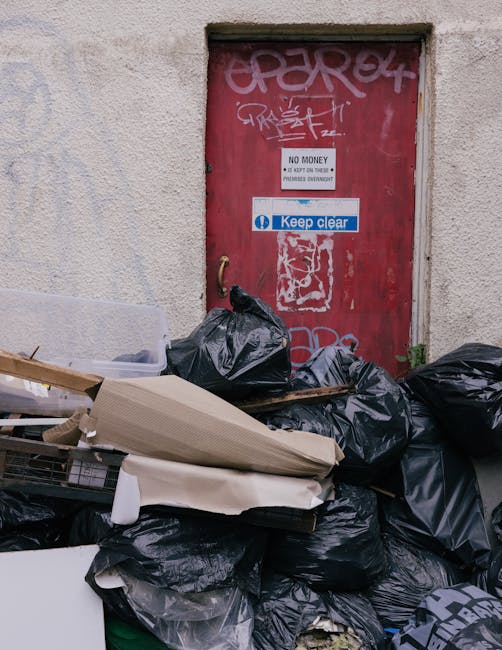
Estate clean up rubbish collection Cranford Estate Hounslow: a practical guide to clearing clutter with less stress
If you are dealing with an estate clean up rubbish collection Cranford Estate Hounslow, you are probably juggling more than just bags and boxes. There may be furniture to move, loft items you have not seen in years, paperwork to sort, and a long list of things that need to be handled carefully. It can feel heavy, especially when the job is tied to a bereavement, a move, or simply a property that has been left full for too long.
This guide explains how estate clearance and rubbish collection works in plain English, what to expect, what to avoid, and how to make sensible decisions without getting overwhelmed. We will look at the practical side, the tidy-up side, and the trust side too, because let's face it, when a property needs clearing, you want the work done properly and without extra hassle.
Table of Contents
- Why Estate clean up rubbish collection Cranford Estate Hounslow Matters
- How Estate clean up rubbish collection Cranford Estate Hounslow Works
- Key Benefits and Practical Advantages
- Who This Is For and When It Makes Sense
- Step-by-Step Guidance
- Expert Tips for Better Results
- Common Mistakes to Avoid
- Tools, Resources and Recommendations
- Law, Compliance, Standards, or Best Practice
- Options, Methods, or Comparison Table
- Case Study or Real-World Example
- Practical Checklist
- Conclusion
- Frequently Asked Questions
Why Estate clean up rubbish collection Cranford Estate Hounslow Matters
An estate clean up is not just "rubbish removal". In real life, it is the careful clearing of a property that may contain a mix of furniture, household waste, personal belongings, white goods, garden debris, and items that need sorting before disposal. In Cranford Estate, Hounslow, that often means working around shared access, parking pressures, neighbours, and the ordinary awkwardness of a busy London estate.
Why does this matter so much? Because an unmanaged clearance can snowball quickly. One pile becomes three. Hallways fill up. Dust, odours, and trip hazards creep in. If the property is being sold, let, handed back, or prepared for family use, delays can add stress at exactly the wrong moment.
There is also the human side. Clearing a property after a bereavement, a long tenancy, or a period of neglect is rarely just physical labour. People often need a pace that feels respectful. A good estate clean up rubbish collection service should understand that some items have to be checked, some items may be kept, and some items simply need to go. That balance matters. A lot.
For many households and landlords, the goal is not to create a perfect empty space in one dramatic sweep. It is to get the place back into a safe, usable condition without losing valuable time. That is where a structured clearance process becomes genuinely useful, especially when paired with broader services such as house clearance, home clearance, or even flat clearance where the property layout creates its own challenges.
How Estate clean up rubbish collection Cranford Estate Hounslow Works
Most estate clearance jobs follow a fairly simple pattern, though the details change depending on the size of the property and what is inside it. In practice, the job usually starts with a walk-through or at least a clear description of what needs removing. That first step helps avoid the classic problem of "we thought it was just a few bags" turning into a van full of mixed items. Not ideal.
A typical process looks like this:
- Assessment - identify what needs to stay, what needs to be removed, and whether anything requires special handling.
- Sorting - separate reusable items, general rubbish, bulky waste, and anything that might need a specialist route.
- Loading - move items carefully from rooms, lofts, garages, sheds, or communal areas.
- Removal - take away the waste and transport it for disposal, reuse, or recycling where appropriate.
- Final tidy-up - sweep through key areas so the property is ready for the next stage.
That sounds straightforward, but the small decisions matter. A mattress, for instance, is not the same as a bag of mixed rubbish. Large furniture can often be handled as part of a planned collection, while appliances may need careful treatment. If there is a fridge, freezer, cooker, or washing machine, you may want to consider fridge and appliance removal to keep things moving safely and sensibly.
There is also the question of access. On an estate, this is rarely a trivial detail. Stairwells can be narrow, lifts may be shared, and parking might be a bit of a puzzle. A good team will plan loading routes and timings so the clearance does not become a nuisance to everyone else. To be fair, that is one of the things that separates a smooth job from a frustrating one.
If the clearance includes a garden shed, overgrown outdoor waste, or old turf and branches, a separate garden clearance approach may be sensible. And if there is a garage packed with old tools, boxes, and forgotten furniture, garage clearance may be the cleaner route.
Key Benefits and Practical Advantages
The biggest benefit is simple: you get the property back under control. But there are several other advantages that are easy to overlook until the job is underway.
- Less stress - there is no need to manage every bag, box, and awkward item yourself.
- Better pace - jobs that might take days of piecemeal effort can often be completed in one organised visit.
- Safer movement - bulky items, sharp objects, and heavy waste are handled with more care.
- Cleaner presentation - especially important if the property is about to be viewed, handed over, or refurbished.
- More responsible disposal - recyclable items, furniture, and reusable goods can be separated where possible.
There is also a financial angle, though it is not always obvious at first glance. Delays can create storage charges, missed move dates, or extra labour costs if the clearance has to happen in several rushed stages. A planned estate clean up often avoids that mess. Sometimes the cheapest option is the one that gets it done once, properly.
If you are dealing with a mix of soft furnishings, it can help to think through specific disposal routes. For example, bulky seating and mattresses often need a different approach from general rubbish, which is why pages like mattress and sofa disposal and furniture disposal can be useful when planning a wider clearance.
A quieter but important benefit is peace of mind. When someone else is taking responsibility for the sorting, lifting, and disposal pathway, you can focus on the bigger picture. That matters more than people admit at the start of the job.
Who This Is For and When It Makes Sense
Estate clean up rubbish collection is useful for a wide range of people, not just solicitors or executors. In fact, some of the most common requests come from ordinary families trying to deal with a difficult property in a practical way.
This service often makes sense for:
- family members dealing with a deceased relative's property
- executors and estate administrators
- landlords recovering a property after a long tenancy
- homeowners preparing for sale or renovation
- developers and property managers clearing a vacant building
- people downsizing and wanting to remove surplus items in one go
It can also be the right choice when a property has become difficult to handle alone. Maybe the loft is full, the shed has collapsed into itself a little, or the lounge has a stack of old chairs that has been there since, well, ages ago. If the property is in a block or a compact estate setting, the combination of bulky items and limited access can make DIY clearance a slow slog.
That said, not every job needs a full estate clearance. If the issue is mainly one room, a single floor, or a smaller collection of possessions, a narrower service may be enough. For example, a loft packed with mixed belongings may be better handled through loft clearance, while a work premises with leftover paper, shelving, and desks may be more suitable for office clearance.
So, when does it make sense? Usually when the time, scale, or emotional load makes the job bigger than the household can comfortably handle alone. That is the honest answer.
Step-by-Step Guidance
If you are planning an estate clean up rubbish collection in Cranford Estate, a step-by-step approach helps you stay calm and avoid accidental mistakes. Here is a practical way to tackle it.
1. Decide what must be kept first
Before anything gets lifted, make a quick pass for documents, keys, photographs, medication, jewellery, service records, and anything with obvious personal or legal value. It sounds obvious, but in the middle of a busy clearance, obvious things are surprisingly easy to miss.
2. Mark out sensitive items
Keep a separate area for things that need review by family members or the executor. That may include paperwork, heirlooms, electronics, or sealed boxes. If confidential paperwork is involved, a service such as confidential shredding may be part of the later sorting plan.
3. Identify bulky waste and special items
Large wardrobes, broken furniture, mattresses, appliances, and garden waste should be separated early. This helps you understand how much labour, vehicle space, and time the job may need. It also makes recycling and diversion easier later on.
4. Clear one room at a time
Trying to do the whole property at once is how people end up with half-sorted chaos. One room, then another. A hallway can wait. The job gets done faster when the process stays simple.
5. Check access and parking
On Cranford Estate, access planning can save a lot of hassle. Think about lifts, stair widths, parking bays, loading zones, and whether neighbours need advance warning. If the collection crew can get in and out without blocking the flow, everything goes more smoothly.
6. Confirm what will be recycled or reused
A decent clearance should not treat every item as identical waste. Some furniture may be suitable for reuse; some items may be recycled, and some must be disposed of. If sustainability matters to you, ask how the waste will be handled and look at the provider's recycling and sustainability approach before the job starts.
7. Finish with a tidy sweep
The final stage matters more than people think. A quick sweep of floors, corners, and doorways makes the property ready for surveys, viewings, repairs, or family handover. It is a small thing, but it changes how the place feels.
Expert Tips for Better Results
After enough clearances, a few practical habits keep showing up. Nothing fancy. Just the stuff that saves time and irritation.
- Photograph the property before starting so everyone understands the original condition.
- Group items by type instead of by room if the same category repeats across the property.
- Use colour-coded notes or labels for "keep", "donate", "shred", and "remove".
- Move from top to bottom when possible, especially if there is a loft or attic.
- Keep fragile items boxed separately so they do not get crushed by heavier waste.
- Ask about loading order if a mix of furniture and rubbish is involved; it can reduce wasted van space.
One thing I would say, from experience, is not to assume every clearance will look worse before it looks better. Sometimes a room lifts quite quickly once the first big items leave. The sight of an empty corner can be a relief in itself. Funny how that works.
If you have heavy or awkward items, do not try to be a hero with them. A sofa down a narrow staircase at 8am is not a life goal. Use the right support, get the right plan, and keep everyone safe.
For estates where mixed waste is part of a wider property clean-up, it can also help to compare clearance options with waste removal or home clearance so the job matches the actual scale of the property.
Common Mistakes to Avoid
Most clearance headaches come from a handful of predictable mistakes. Avoid these, and the job gets easier almost immediately.
- Leaving sorting until the end - that is how valuables and rubbish get mixed together.
- Underestimating volume - estate properties often contain more than they seem to at first glance.
- Ignoring access issues - parking and stair access can affect timing and cost.
- Forgetting special waste - appliances, chemicals, and other restricted items need a different approach.
- Rushing sensitive decisions - if a family needs time to review items, build that into the plan.
- Choosing only on price - the cheapest quote is not always the least stressful option.
There is also a subtle mistake people make: trying to clear the property before they know what is legally or personally important. That can lead to regret later. When in doubt, pause and make a list. A boring list can save a brilliant amount of stress.
Another common issue is failing to think about bulky item categories early enough. If there are several sofas, a bed base, and a mattress or two, a service built around mattress and sofa disposal may be more efficient than a general "remove everything" approach.
Tools, Resources and Recommendations
You do not need a van full of specialist gear to start planning an estate clean up, but a few simple tools make the process calmer.
| Tool or resource | Why it helps | Practical note |
|---|---|---|
| Strong bin bags and rubble sacks | Useful for mixed rubbish and lighter items | Do not overload them; torn bags waste time and create mess |
| Labels or masking tape | Helps separate keep, remove, and review piles | Simple, cheap, and surprisingly effective |
| Gloves and sturdy footwear | Basic protection during sorting and loading | Especially useful in lofts, garages, and cluttered rooms |
| Notebook or phone notes | Tracks items to keep, donate, recycle, or shred | A quick list beats trying to remember everything later |
| Clearance service pricing information | Helps compare options honestly | Check what is included before agreeing a job |
If you want to understand what a clearance provider may or may not be able to take in one visit, it can be helpful to review what can go in a skip. Even if you are not hiring a skip, the same general thinking helps you plan what goes with the collection and what needs separate handling.
For quoted work, it is also sensible to review pricing and quotes alongside the service description. A transparent quote should make the scope clear, not fuzzy.
Law, Compliance, Standards, or Best Practice
Estate clean ups touch on disposal, transport, safety, and sometimes sensitive personal information. That means best practice matters, even if the job itself looks straightforward from the outside.
In the UK, waste must be handled responsibly, and any business removing waste should be able to show that it is dealing with materials properly. As a customer, you do not need to turn into a compliance expert, but you should expect clear handling of different waste types, safe loading, and sensible disposal routes. If a provider seems vague about where the waste goes, that is worth a second look.
Safety should also be taken seriously. Heavy lifting, sharp materials, dust, mould, and broken items can all pose risks in an estate property. A professional approach should include sensible manual handling, protective equipment where needed, and care around fragile structures, shared corridors, and stairwells. You can often learn a lot by reading a company's health and safety policy and insurance and safety information.
Where there are confidential papers, bank letters, or personal files, privacy matters too. A careful clearance team should know to separate these items rather than tossing them into general waste. It sounds basic, but it is one of those things people are relieved to hear explained clearly.
For any work involving appliances, chemicals, or suspect materials, caution is essential. The safest route is to flag them early and use the appropriate specialist handling rather than improvising. No shortcuts there.
Options, Methods, or Comparison Table
There are a few ways to deal with an estate clean up. The right choice depends on scale, time pressure, and how much sorting is needed.
| Method | Best for | Pros | Trade-offs |
|---|---|---|---|
| DIY clearance | Very small jobs with light waste | Full control, may look cheaper at first | Time-consuming, physically demanding, harder to dispose properly |
| Skip hire | Projects with predictable waste streams | Good for ongoing loading over several days | Needs space, permits may be relevant, not ideal for mixed contents |
| Man and van clearance | Mixed household waste, furniture, and bulky items | Fast, flexible, often easier for estates and flats | Needs clear scope so nothing is missed |
| Full estate clean up service | Large or sensitive properties | Best for sorting, lifting, and a tidy end result | Usually requires a proper walkthrough or item list |
If the property is a smaller apartment, you may also want to compare the approach with flat clearance. If the property is larger or has multiple rooms plus storage spaces, house clearance or home clearance may better match the job.
There is no single best method for everyone. The best method is the one that actually fits the property, the timeline, and the emotional reality of the situation. That's the bit people often miss.
Case Study or Real-World Example
Imagine a two-bedroom property on Cranford Estate that needs to be cleared after a long tenancy. The living room contains a worn sofa, a coffee table, two broken chairs, and several bags of mixed belongings. The kitchen still has a fridge, a small freezer, and loose items in cupboards. The bedroom has a wardrobe, a mattress, and a stack of unopened boxes in the corner. The hallway is narrow, and parking outside is limited.
Rather than trying to remove everything in one chaotic pass, the sensible plan would be:
- set aside any documents, personal keepsakes, and utility paperwork first
- separate bulky furniture from loose rubbish
- identify appliances for special removal
- clear the hallway and access route before moving larger items
- finish with a room-by-room sweep so nothing is left behind
The result is not just an empty property, but a property that feels reset. A few minutes of good planning at the beginning can save a whole afternoon of awkward backtracking. And yes, the hallway stays usable, which everyone usually appreciates.
That same logic applies when the job includes a broader set of items such as furniture. In some cases, a mix of furniture clearance and general waste removal is the neatest route, especially when there are reusable and non-reusable pieces together.
Practical Checklist
Use this checklist before the clearance begins. It keeps the job organised and reduces the chance of costly slip-ups.
- Confirm which rooms, outbuildings, or storage areas are included
- Remove or secure valuables, cash, keys, and important documents
- Separate items to keep, donate, recycle, shred, or dispose of
- Flag appliances, mattresses, sofas, and any potentially restricted waste
- Check access, parking, and any estate rules that may affect loading
- Photograph important items or the overall condition if needed
- Ask how reusable furniture and recyclable materials will be handled
- Confirm timing, price, and what is included in the quote
- Clear a path through hallways and doorways where possible
- Do a final room check before sign-off
Expert summary: the smoothest estate clearances are usually the ones that separate decision-making from disposal. Decide what stays. Decide what goes. Then let the clearance itself be a simple execution job. That structure keeps emotions steadier and the property moving forward.
When you are ready to take the next step, it helps to compare the service details, check the company's approach to safety and sustainability, and make sure the quote reflects the real scope of the work. A little clarity at the start saves a lot of friction later.
Get a free quote today and see how much you can save.
Conclusion
Estate clean up rubbish collection Cranford Estate Hounslow is really about turning a difficult property into a manageable one. Sometimes that means removing a few bulky items. Sometimes it means handling a full house full of memories, clutter, and awkward decisions. Either way, the best results come from a calm process, careful sorting, and an approach that respects both the property and the people attached to it.
If you plan well, ask the right questions, and choose a method that fits the space, the job becomes much less intimidating. You do not have to solve everything at once. Just the next room, the next pile, the next sensible step. That is usually enough to get momentum back.
And once the clutter goes, the place often feels different in a quiet, surprisingly human way. A bit lighter. A bit easier to breathe in. That is the real win, to be honest.
Frequently Asked Questions
What is estate clean up rubbish collection in practical terms?
It is the organised removal of unwanted items from a property that may contain mixed rubbish, furniture, appliances, paperwork, and personal belongings. The aim is to leave the place clear, safe, and ready for its next stage.
How long does an estate clearance usually take?
It depends on property size, access, and how much sorting is needed. A small, straightforward clearance can be quick, while a larger or more sensitive property may need more time for careful checking and loading.
Do I need to sort everything before the clearance starts?
No, but it helps to separate obvious valuables, important documents, and items you want to keep. The more prepared the property is, the smoother the collection will usually be.
Can furniture and bulky items be taken away too?
Yes, in many cases. Sofas, wardrobes, beds, and similar items are often part of estate clearance work, though some pieces may need specific handling depending on condition and material.
What happens to appliances like fridges or freezers?
They should be handled separately and with care. Appliances are often better managed through a dedicated appliance removal route rather than mixed general waste loading.
Is estate clearance the same as house clearance?
There is overlap, but not always. Estate clearance often implies a more sensitive or property-wide clean-up, sometimes after bereavement or tenancy changes, while house clearance can be broader and less context-specific.
Can I use a clearance service for a flat on an estate?
Yes, absolutely. In fact, flats often benefit from a planned collection because of access, stairwells, lifts, and shared areas. A flat clearance approach can be a better fit in some situations.
What should I do with confidential papers?
Separate them early and keep them away from mixed waste. If the paperwork contains personal or sensitive information, a confidential shredding solution may be worth considering.
How do I know if the price is fair?
Ask what is included, how access affects the job, and whether bulky items, special waste, or additional labour have been factored in. A fair quote should be clear rather than vague.
Are estate clearances suitable for properties with garden waste or garage clutter?
Yes. Many clearances include outdoor or storage areas as well. If that is the case, it may help to combine the estate job with garden clearance or garage clearance.
What is the biggest mistake people make with estate rubbish collection?
Trying to do everything in one rush without sorting what should be kept, reviewed, or removed. That usually creates stress and makes the job harder than it needs to be.
Should I choose the cheapest option available?
Not automatically. The cheapest quote can become expensive if it misses access issues, ignores bulky items, or leaves you with extra work. Value, clarity, and reliability matter just as much as the headline price.